South Nicaragua
With Lake Nicaragua just inland, this strip of Nicaragua's southwestern coast enjoys near-year-round offshore winds. And with no mountains to block them, these winds groom the thumping beachbreaks and lefthand points that decorate the area. The bounty of waves in close proximity coupled with the well-established surf tourism infrastructure makes southern Nicaragua a haven for traveling surfers looking to spend some time in the Central American sun and, more importantly, the shade. Of tubes.
The Waves

Colorados
Colorados: A very good and consistent beachbreak that works best on South-West swells during mid-tides (depending on swell size) to mid-high tides. A river flows out right front and keeps the sandbar replenished. The surf tends to always be best from just on the north side to right in front of the river mouth. The south side of the river mouth is usually always walled out. Colorados' perfection size is 8-foot or less (depending on sandbar quality) -- anything bigger will usually wall out. Incoming sets will first bump up some on a reef way outside (which will even break on larger swells), before sinking back down then rising again at the lineup. The wave/peak can be quite shifty (which spreads out the crowd a little bit) with a fast peeling right, quite often with a hollow barrel. The lefts are usually a little less hollow than the rights, but still very racey and ripable. Colorados is best and most hollow on low to mid tides.On higher tides, it becomes a bit backwashy and less hollow. The best wind is obviously calm or light offshore. Although Nica is known for the steady offshore flow due to Lake Nicaragua, sometimes it can blow a little too hard offshore. When these offshores are strong, you can often spot people getting pitched over the falls trying to get over the ledge. Colorados is one of the most popular spots in Nicaragua, frequented mostly by visiting surfers, however the number of local surfers is steadily growing (especially among the kids). Unless you are staying at Playa Iguanas, access is often obtained by boat, or a long walk south from Rancho Santana. Panga Drops: Located at the north end of Playa Colorado, Panga Drops is a fun, less crowded alternative to the more popular Colorados. Pangas enjoys the same offshore bathymetry benefits as Colorados, but it is a horseshoe reef rather than perfectly crafted sandbars. On a proper South-West swell, the reef will peel off both shifty lefts and rights that can barrel. Pangas is never as consistent or all-time as Colorados, but it is always worth checking out if you're not in the mood for crowded line-ups.

Popoyo
Popoyo has been described by some as a poor man's Lower Trestles, and the comparison isn't totally off ... in a couple different ways. First, it's more of a flat slab of rock reef than a configuration of cobblestones, and the left is more similar to the Lowers right, while the right is more like the Lowers left. Second, it's one of Nicaragua's most classic and popular spots due to its relative close proximity to Managua and the incessant offshore winds from Lake Nicaragua.The best waves at Popoyo offer enough speed and face to schwack and carve to your heart's content ... every day, all day given the offshores and good on all tides. When a bigger swell fills in, especially from the SW, there are a few barrel sections to be had on both the lefts and rights, though it does tend to close out regularly when the waves begin to reach the double overhead range. If all-day offshore winds aren't enough of a treat, Popoyo pretty much breaks with equal character on all tides, though mid tide is when it is at its best. And for the advanced to pro surfer, there is Outer Reef Popoyo, which is a fifteen-minute paddle offshore.As mentioned, Popoyo has long been the first place to come to mind for surfers considering a trip to Nicaragua, therefore there is plenty of accommodation (from gritty to luxury) to choose from in the area. This notoriety makes for a pleasant vacation experience but certainly not a solitary one. For ease and consistency, Popoyo is hard to beat, but a little exploration to parts south and north along the serpentine Nicaraguan coast hold their fair share of perfection, too.

Santana
Santana is a really fun, consistent beachbreak that works best on higher tides and mid-period SW-SSW swells. Swells will reflect off the long lava platform shelf on the south-end of the beach, right in front of Rancho Santana Resort. This reflecting energy will create a series of wedging peaks down the beach (usually a couple main peaks, but sometimes three or more, depending on swell). First and Second Peak are usually best and peakiest (as well as the most crowded). Furthermore, a river flows out right here, which keeps the sandbar replenished, but water can get quite dirty and with tree branches or whatnot after a significant rain. These peaks will offer fun, rippable lines, as well as some barrels that you can backdoor (especially off First Peak). The waves become less peaky and less crowded toward the north, with less interaction of swell reflection. But sometimes a good sandbar will set up down that way. Santana is best on mid to high tides for size, shape, and consistency. On lower tides, it becomes smaller, very dumpy, sectiony and drained out. It's pretty much a guarantee to always improve as the tide fills back in, unless winds turn onshore or swell drops out. The best wind is obviously calm or light offshore. Although Nicaragua is known for the steady offshore flow due to Lake Nicaragua, sometimes it can blow a little too hard offshore in this section of coast.

Panga Drops
Located at the north end of Playa Colorado, Panga Drops is a fun alternative to the heavier Colorados. Pangas enjoys the same offshore bathymetry benefits as Colorados, but it is a horseshoe reef rather than perfectly crafted sandbars. On a proper SW swell, the reef will peel off both shifty lefts and rights that can barrel. On big days, the right at Pangas can sometimes give you a feel of Sunset Beach on the North Shore of Oahu. This wave can break way out there, and there have been accounts of bull shark sightings on this reef.

Playa Maderas
Maderas is the closest beach to San Juan Del Sur, which makes it one of the cultural centers of Nicaraguan surfing. Local surfers flock here and there are contests happening year-round. The wave itself is fairly flat, walled, and kind of average -- not as good as the beachbreaks to the north, generally -- but it's a stunning setting and a nice place to relax after the hairball drive over the mountain to get there.Always show respect to the locals.
Manzanillo
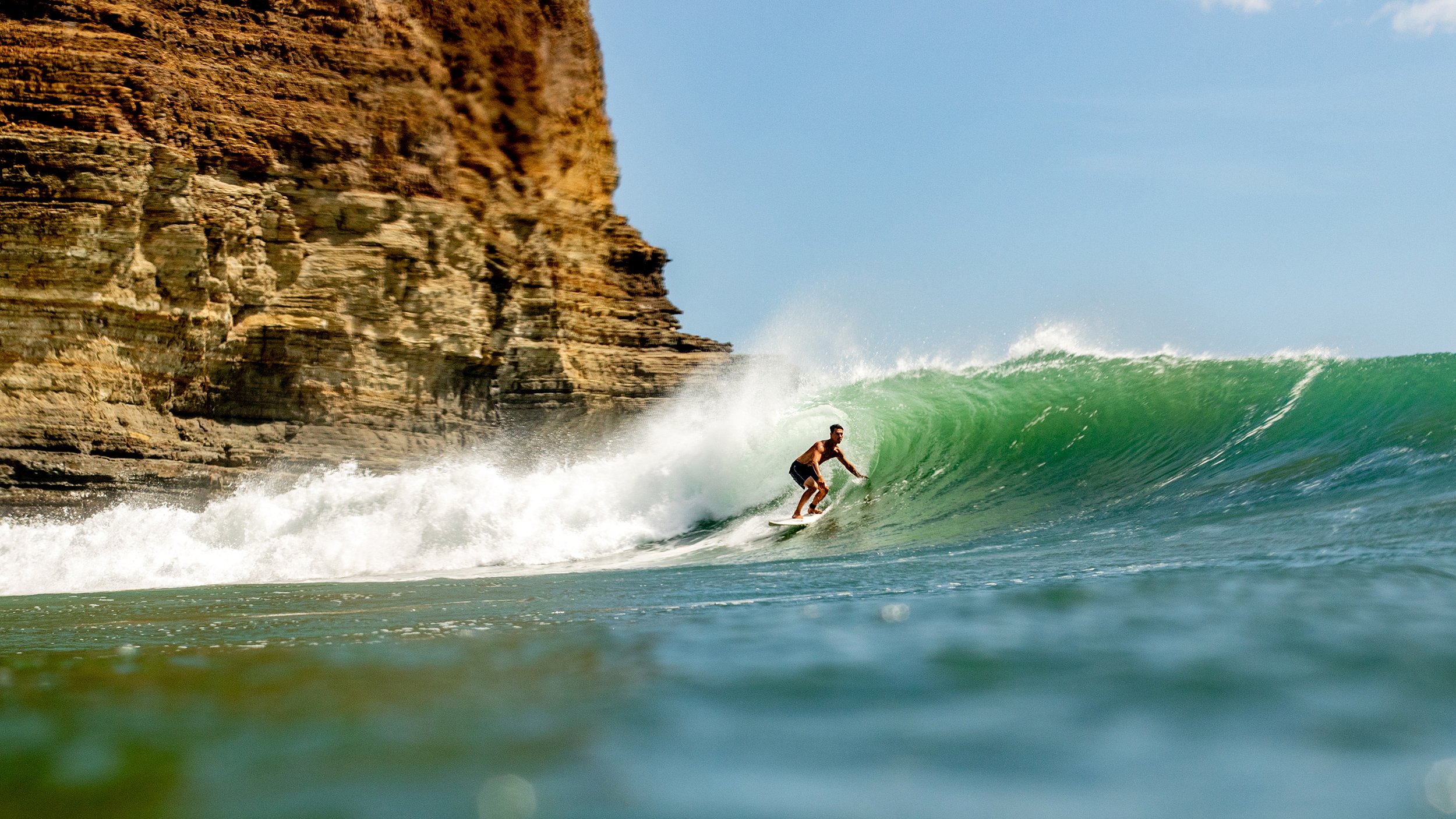
Manzanillo is one of the Pacific side's most fickle waves. When it's on, however, it's one of the best waves in Nicaragua. Manzanillo requires both a very specific swell direction from the S-W and a certain size before it begins to show its true form. (The wrong direction can render it mushy or a closeout, or both.)

It’s basically the ideal spot to take a surf trip. We have offshore winds here at least ten months of the year, which makes it a really special place.

When to Score & Seasonal Surf Data
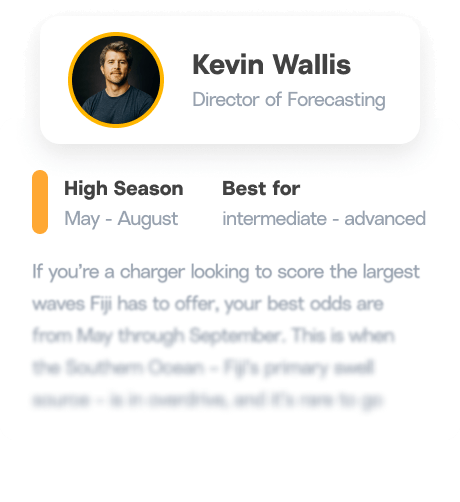
Know exactly when to score — powered by our expert historical forecast data.
Decades of spot-specific swell info — combined with forecaster insights — show your best chance to score, found only on Surfline.
Time to score

Forecaster reports
Seasonal Surf Data

Nicaragua According to...
Kevin
Cortez
Nicaraguan shredder breaks down Central America’s perpetually offshore beachbreak bonanza.
What makes Nicaragua a special destination for surfers?
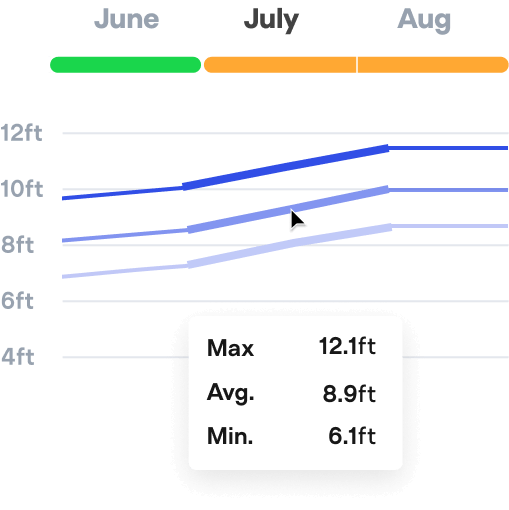
It’s basically the ideal spot to take a surf trip. We have offshore winds here at least ten months of the year, which makes it a really special place. The geography and Lake Nicaragua create these offshore winds nearly every day, and Nicaragua is exposed to a lot of swell, so there are many days with perfect conditions. What else can you ask for?
What kind of waves can visiting surfers expect?
There’s a little bit of everything from small, mushy waves for beginners and in-betweeners, all the way up to world-class barrels and crazy outer reefs if you want to go charge. We have beachbreaks, pointbreaks, reefs, a few outer reefs and some slabs. There are a lot of waves that don’t have much exposure, but I’m sure that will change in the next few years.
What’s the vibe like?
It’s good. People are very welcoming and will greet you with a smile, if you smile. Some of the more popular spots are like anywhere else in the world: get in line and wait your turn. Just respect the etiquette and the locals, keep the rotation going, and you’re good. And if you’re on the road and asking for directions or something, the locals will be happy to help.
What should surfers bring?
If you come in the offseason, when we mostly get swells up in the northern part of the country, the water can get a little cold, so you’ll want to have a good wetsuit top or springsuit from December through March. Then our season starts.
When is the best time to score?
My favorite month is May, for sure. April is pretty good, but by May it’s a little less windy and things clean up. We can’t have perfect conditions all the time, but we do have them so much here that we get spoiled.
What else is there to do when you’re not surfing?
There’s good areas to go visit. You can go to the volcano. You can go to Granada and see some of the history and culture of Nicaragua. You can go to the lake and see where all the wind comes from. If it’s really windy you can bring a soft-top and try to surf the lake. There’s actually waves there, which is cool. Something different.
What’s your favorite local cuisine?
Ceviche. There’s all kinds of really good fish here. The typical rice and beans is standard but that’s always good. There’s maduros, which are fried sweet plantains. And tostones, which is like a tortilla. We do a lot of barbecue and grill stuff, which you can find a lot in the cities, kind of like taco stands in Mexico. And that’s where the really good food is. We call it fritangas.
Where can people learn to surf?
There are a bunch of cool areas to learn to surf. In the south, close to San Juan, we have good beginner spots. I also do surf lessons around my home. There’s a wave near Popoyo that’s kind of like Waikiki.
Any other local tips?
Nicaragua is a pretty safe place. Even if you go out in the city, like Rivas, it’s all safe. But you still need to be aware of your surroundings. And if you go to the beach, keep your stuff together and be responsible. Because there’s always going to be people that can’t resist the temptation, and surfers are easy targets when they’re in the water for three hours. Otherwise, just be friendly and respectful and you’ll be treated the same.
Travel Essentials

Culture & customs
From the bloody Spanish colonial era to a devastating earthquake in 1972 that destroyed most of Managua’s infrastructure to the Nicaraguan Revolution that ended in 1990, the people of Nicaragua have endured millennia of adversity. Nevertheless, they still radiate laid-back hospitality. With tourism being a main driver of the Nicaraguan economy (especially eco-tourism, the place is teeming with natural-world wonder), Nicas are generally very welcoming to outsiders.
Local scene
There are plenty of surf camps and hotels to stay at around the marquee spots, so expect to see locals and visiting surfers alike sharing the lineup. As Nicaragua’s southwestern coast continues to grow in popularity amongst traveling surfers, more and more boats will show up to those spots without land access, which means more crowds. Play nice.
What to bring
If you’re going to Nicaragua to surf, you’re probably looking to get tubed over sand, so pack your boardbag accordingly; specifically, something you can maneuver quickly from the takeoff, position yourself under the lip, and thread your way through the green room. And pack some back-ups, because you’ll probably break at least one board. You can get away with low-performance crafts like fishes, mid-lengths and longboards on the smaller days. But a svelte, maneuverable shortboard is the primary weapon of choice when it’s on.
Also: Our amazing partners over at FCS have curated a collection of fine products for your next surf trip. Check it here.
How to get there
When it comes to flights, there’s two options for getting to Nicaragua’s southwest coast: Managua Airport (MGA) in the capital, or Liberia Airport (LIR) just across the southern border. From Managua, it’s about a two-to-three-hour drive; from Liberia, it’s four or five hours. Either way, you’re likely to encounter some rough, dicey roads, so if you’re renting your own car, definitely go for the four-wheel-drive option. Once you arrive, most of the surf spots are in relatively close proximity. In some circumstances, you might want to hire a boat to access some of the spots.
Downtime
When Spanish colonists first discovered Lake Nicaragua, they thought it was an ocean. It’s that big. The town of Granada on the shores of the lake is home to colorful, colonial-era architecture like the neoclassical façade at the Cathedral of Granada, which dates back to 1583. As for the lake itself, there’s Isla de Ometepe – a large and long-standing landmass formed by two volcanoes — where you’ll find guided hikes to the craters, natural springs to swim in, ancient petroglyphs, wildlife watching and more. As for activities closer to the surf spots, there’s the usual: fishing, nature tours, jungle zip-lining adventures, ATV excursions, horseback riding on the beach, etc.
Quick Tips
Travel Time
LAX: 5.5 hrs
JFK: 4.5 hrs
Heathrow: 11 hrs
SYD: 30 hrs +
Connectivity
Not the best WiFi or cell service in general, but likely okay at your accommodations.
Currency
Nicaragua Córdoba. At the time of writing, $1 USD = 35.77 NIO
Avg. cost of...
Cup of coffee: $2.00
Lunch: $12.00
Beer: $2.50
Hotel room: $200
Visa Requirements
No travel visa necessary for US visitors coming for a short stay.
Drinking water quality
You probably want to stick to bottled.
Hazards
Broken boards, bones, and egos. Driving the sketchy roads in a vehicle without 4WD. Not much air wind, since it’s always offshore.
Cash, card, crypto
Best to have cash, especially in more rural areas. Some, but not all places, will accept credit or debit. ATMs are available for withdrawals in most urban centers.


Have feedback on this zone? Let us know [email protected]
Questions about booking with Surfline Travel? Check out our FAQs