East El Salvador
About 100 miles east of El Salvador International Airport, the Oriente region is often referred to as the “East Coast,” although the best-known waves in the area actually face south. If the west is El Salvador’s surfing nucleus, then the east is more like its mitochondrion – on the outskirts, but still crucial to the whole operation. Las Flores and Punta Mango are two of the country’s best waves. There are several lesser-known breaks, however, that can be explored independently or through a tour.
The Waves

Las Flores
Because El Salvador's coast faces almost due south, it is broken up as east and west, rather than north and south. Located at the tail end of the country's east coast, Las Flores awaits in truly stunning, tropical coast, righthand pointbreak form. On big S or SW swells, Las Flores rivals any righthand pointbreak in the world: it barrels hard out at the top of the point and reels perfectly to the inside, offering a relatively safe paddle back out.


The most famous waves in El Salvador are Punta Roca, Punta Mango and Las Flores. But we have a lot of points where you can surf by yourself. People don’t always realize it, but there are all kinds of waves here.

When to Score & Seasonal Surf Data
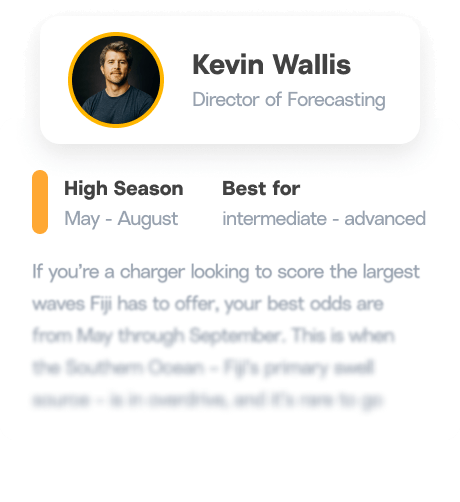
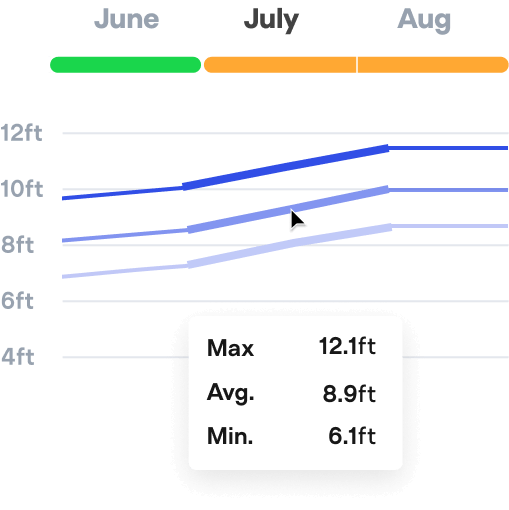
Know exactly when to score — powered by our expert historical forecast data.
Decades of spot-specific swell info — combined with forecaster insights — show your best chance to score, found only on Surfline.
Time to score

Forecaster reports
Seasonal Surf Data

West El Salvador According To...
Bryan
Perez
Salvadoran pro breaks down his Central American hot zone from Punta Roca to Punta Mango and all the points between.
What makes El Salvador a special destination for surfers?
A lot of people want to come here and surf and have a good time, but what makes it special for me is that there are waves all year. If you come in January or July, you’re going to get waves for sure. And we have the mountains and a volcano, the water is always warm, and the people are super nice.
What kind of waves can visiting surfers expect?
The most famous waves in El Salvador are Punta Roca, Punta Mango and Las Flores. But we have a lot of points where you can go and surf by yourself. People don’t always realize it, but there are all kinds of waves here. There’s a wave that’s like Lower Trestles, there are good waves for beginners, we even have a couple of lefts.
What're the differences between surf zones?
The more well-known surf zone in El Salvador is in the northern area. Most people will probably fly into San Salvador and travel from there. And there's a lot of good, more well-known waves in the area and there's a lot more infrastructure. The further south you head the more you get into the country. There are some really incredible setups, they take some work to find and get to, but it's worth it if you know what you're doing and score.
What’s the vibe?
The vibe is really nice right now. The government has put a lot of resources into making it safe here. You can go out and have fun, and everybody on the beaches is super friendly. It’s grown a lot here in the last two years. We had the ISA come here. The WSL is coming here. It’s getting bigger and bigger. And safer.
What should surfers bring?
If you’re already a good surfer you might want to think about bringing a step-up. It can get bigger here and there can be a lot of current. You don’t really need a gun, just something bigger than your normal board. But if you’re learning you can bring a soft-top, and there’s really good places for that. The sun’s heavy here and it’s super hot, so bring extra boardshorts, rash guards, sunscreen, a good hat… And don’t forget your favorite wax.
When is the best time to score?
I like June through September, when it’s super good. If you like to surf bigger waves, you come for the summer season. The winter is the slower season, but there’s always waves, just not as big.
What else is there to do when you’re not surfing?
There are a lot of things to do in El Salvador. If you like to party you can go out in town, have some beers, meet some locals and have a good time. There’s the mountains and volcano, there’s waterfalls. You can go travel Ruto Las Flores and see the beautiful countryside. And it’s all close. You can surf in the morning and go see a waterfall in the afternoon.
What’s your favorite local cuisine?
I like the pupusas, it’s the best food in El Salvador. Everyone wants to eat it when they come here. It’s like a quesadilla, but with different, more local ingredients like pork, beans and cheese. It’s super good.
Where can people learn to surf?
Another good thing about El Salvador is we have a good wave to learn on called Sonsonate. And we have the Puro Surf Academy, which I think is the best school to learn with. They have everything.
What are some things people should be aware of when it comes to local culture and customs?
Like anywhere you go, be friendly with the locals. The locals here are super nice, and if you’re friendly with them they’ll be open and friendly with you. The most famous wave, Punta Roca, has a local scene and you have to respect that.
Travel Essentials

Culture & customs
When speaking of El Salvador, mainstream news will often highlight things like crime, gangs and remnants of instability from the civil war of the 1980s. But, like most places, there’s much more to this place than clickbait headlines. El Salvador’s hospitality (its nickname translates to “the country with a smile”), food (you can never have too many pupusas) and nightlife (particularly around the surfing hub of La Libertad) are all excellent. And in recent years, El Salvadorians’ knack for welcoming outsiders with open arms has been geared towards the surfing community, with large investments going into infrastructure and accessibility to some of the country’s best waves.
Local scene
The scene around the neighboring pointbreaks of Las Flores and Punta Mango is the de facto hub of Oriente surfing, with numerous surf camps and other businesses catering specifically to traveling surfers — and there can be plenty of those here. After all, these are world-class pointbreaks, and El Salvador is relatively small. One thing to consider: rental car break-ins are not uncommon at some spots, so travel light to and from the surf. Maybe even give a local kid a few bucks to keep an eye on your rig.
What to bring
Be sure to pack all the usual stuff for a tropical surf trip – sunscreen, rash protection, warm-water wax, etc. And bring the appropriate board for fast, reeling, sometimes hollow pointbreaks.
Also: Our amazing partners over at FCS have curated a collection of fine products for your next surf trip. Check it here.
How to get there
One of the most rural and undeveloped areas in the country, Las Flores is about 100 miles from the airport in San Salvador. From there, Punta Mango is another 30-minute drive, or an even quicker boat ride.
Downtime
When not surfing, touring a volcano or a coffee plantation can be a fun, down-day excursion. And there’s plenty of options for more adventurous activities like jungle canopy zip-lining, open-ocean fishing, and more.
Quick Tips
Travel Time
LAX: 5 hrs
JFK: 5 hrs
Heathrow: 11.5 hrs
SYD: 25-30 hrs +
Connectivity
Decent WiFi everywhere, except for the more rural areas.
Currency
US Dollar and Bitcoin. (El Salvador was the first country to adopt the crypto currency as an official currency in 2021, although the rollout has been off to a rocky start.)
Avg. cost of...
Cup of coffee: $2.50
Lunch: $13.00
Beer: $3.00
Hotel room: $150.00
Visa Requirements
Get it at the airport for $12.00.
Drinking water quality
Best to stick to bottled water, unless your accommodations has a reliable water cooler with a filter.
Hazards
Rental car rip-offs (in certain areas), gang violence (although tourists are mostly safe from that), noodle legs from the long righthand pointbreaks.
Cash, card, crypto
No need to exchange money in El Salvador – if you’re coming from the US – as they accept the USD. ATMs and banks aren’t hard to find, unless you’re in rural areas. And if you’re into cryptocurrency, this is your place. It’s the first country in the world to accept Bitcoin for day-to-day purchases.
Explore Other Zones


Have feedback on this zone? Let us know [email protected]
Questions about booking with Surfline Travel? Check out our FAQs