Top Surf Spots in Chiba:
Hebara Beach
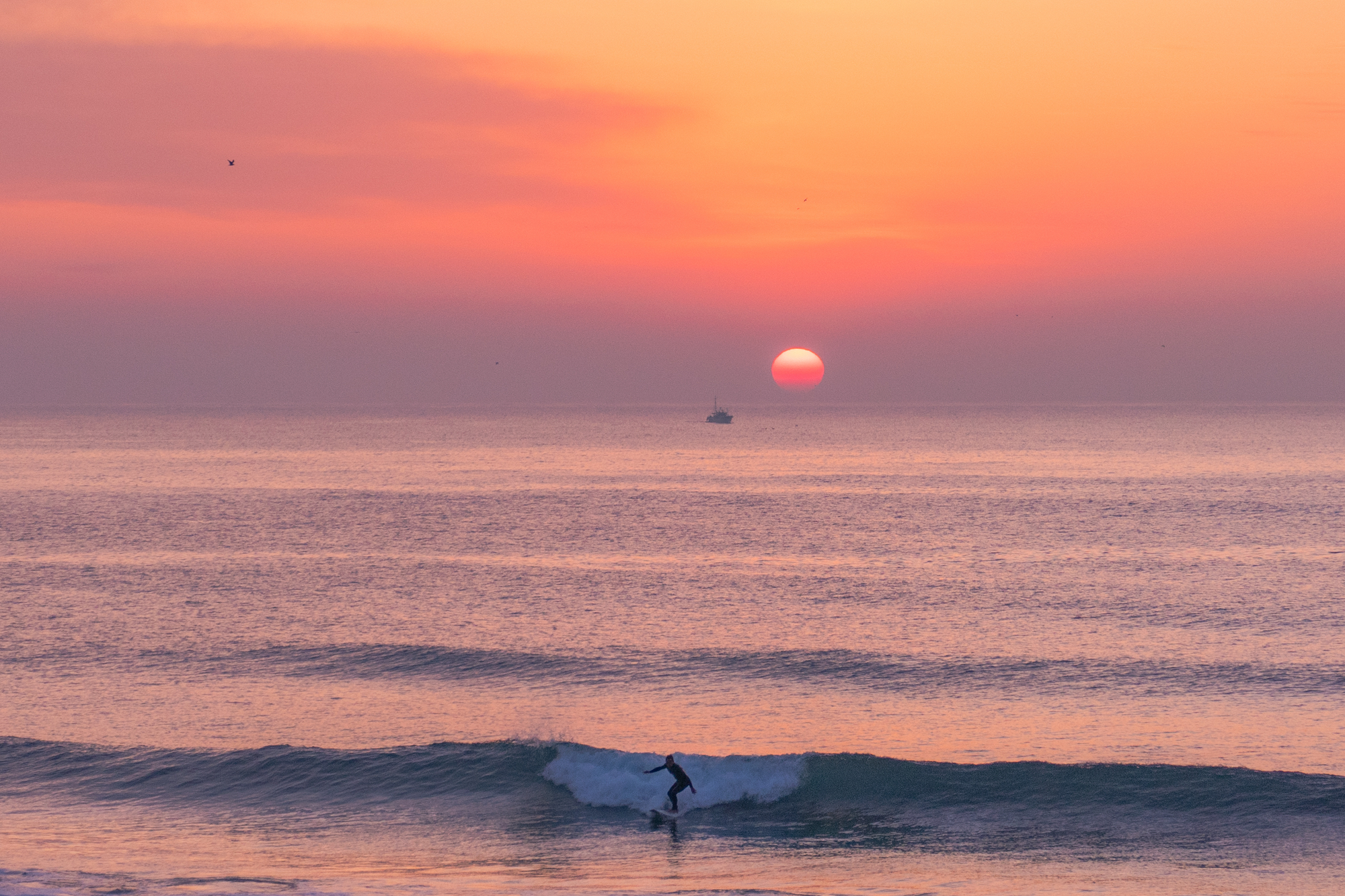
Just a taste of what Hebara Beach can offer.
WATCH LIVE: Hebara Beach Surf Cam
Travel Info:
After the Chiba coast moves from flat coastal plain and open beachbreak to a more rugged landscape, the mountains come down to the sea at Hebara Beach. There is a nice fishing village at the south end, and several large hotels that were used as a base camp during the many years the Marui Pro ASP event was held at Hebara.
The wave is a group of rock reefs separated by sandy areas, producing a variety of peaks on different swells. There’s more variety and punch than the sand-bottom beachbreaks further north, and Hebara can be very good on winter windswells. The inside can hold a typhoon swell up to six feet; when bigger, an outer-reef bombora wave appears.
Surf Info:
Best Tide: Low to medium
Best Swell Direction: E or SE during typhoon season, E or NE windswells in winter and spring.
Best Size: Knee high to slightly overhead
Best Wind: W or NW, usually has a morning offshore.
Perfect-O-Meter: 6, depending on the sandbars (1=Lake Erie; 10=Jeffreys Bay)
Bottom: sand, mixed with rock reef.
Ability Level: Beginners when small, intermediate to advanced when bigger.
Bring Your: Basic beachbreak board
Best Season: Typhoon season from July to November, can get good windswell at other times of the year.
Access: Difficult parking, crazy traffic, narrow road – find a space, then walk to the sand.
Crowd Factor: Weekends and holiday periods when there is swell can get packed, weekdays aren’t too bad.
Local Vibe: A few resident locals, pretty relaxed.
Bicep Burn: 5 – close to shore, some current to deal with. (1=1ft Waikiki; 10=15ft Ocean Beach)
Poo Patrol: 2 – some rubbish on the beach, muddy water after a big rain. (1=clean; 10=turds in the lineup)
Shark Danger: 2 – no sharks reported in this area (1=none; 10=bring an iron cage)
Shidashita Beach
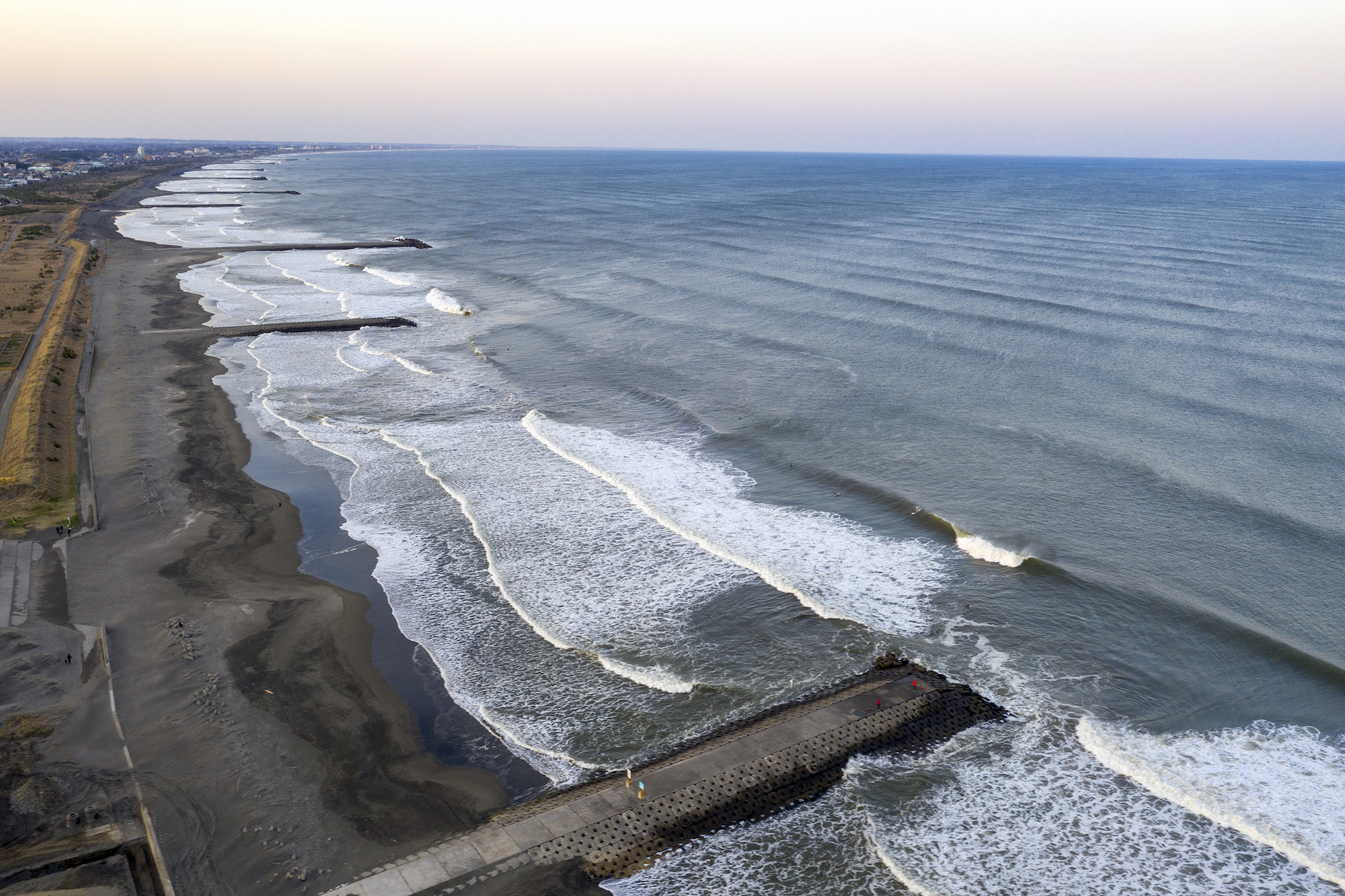
Photo: Pedro Gomes
Know Before You Go: Shidashita Beach Surf Report and Forecast
Travel Info:
The Chiba coast east of the Tokyo metropolitan area is accessible to literally millions of Japanese surfers, and “Shida” as it is known, is one of the most popular surfing areas in the country. A big, open beachbreak with shifting sandbars that can get good on different tide and swell combinations, the hothouse competitive atmosphere of Shidashita has produced some of Japan’s best surfers, like locals Takayuki Fukuchi and Masakazu “Zucho” Kono.
“Shida” can get good in both summer typhoon swells and winter or spring windswells, making it a very reliable location for the urban Tokyo surfer with a limited amount of time to get to the coast, catch a few waves, and get back to work in the city. There’s a huge parking area, which on a summer weekend with waves will see hundreds of surfers hanging out between surfs in specially equipped vans and cars complete with shower systems, barbeque grills, and small refrigerators stocked with cold beer.
Surf Info:
Best Tide: All tides
Best Swell Direction: E or SE during typhoon season, N or NE windswells in winter and spring
Best Size: Knee high to slightly overhead
Best Wind: W or SW, usually has a morning offshore
Perfect-O-Meter: 6, depending on the sandbars (1=Lake Erie; 10=Jeffreys Bay)
Bottom: Sand
Ability Level: Intermediate to advanced
Bring Your: Standard shortboard
Best Season: Typhoon season, July to November, can get good windswell at other times of the year
Access: Park in the parking lot, and walk to the sand
Crowd Factor:Weekends and holiday periods when there is swell can get packed with every surfer in Tokyo, weekdays aren’t too bad
Local Vibe: A big, open beachbreak with plenty of space, so few local vibes. Shidashita has a high standard of surfing; many of Japan’s best surfers are Shida Locals.
Bicep Burn: 5 – close to shore, some current to deal with (1=1ft Waikiki; 10=15ft Ocean Beach)
Poo Patrol: 2 – some rubbish on the beach, muddy water after a big rain (1=clean; 10=turds in the lineup)
Shark Danger: 2 – no sharks reported in this area (1=none; 10=bring an iron cage)
Read More: Spot Check: Shidashita Beach
Malibu
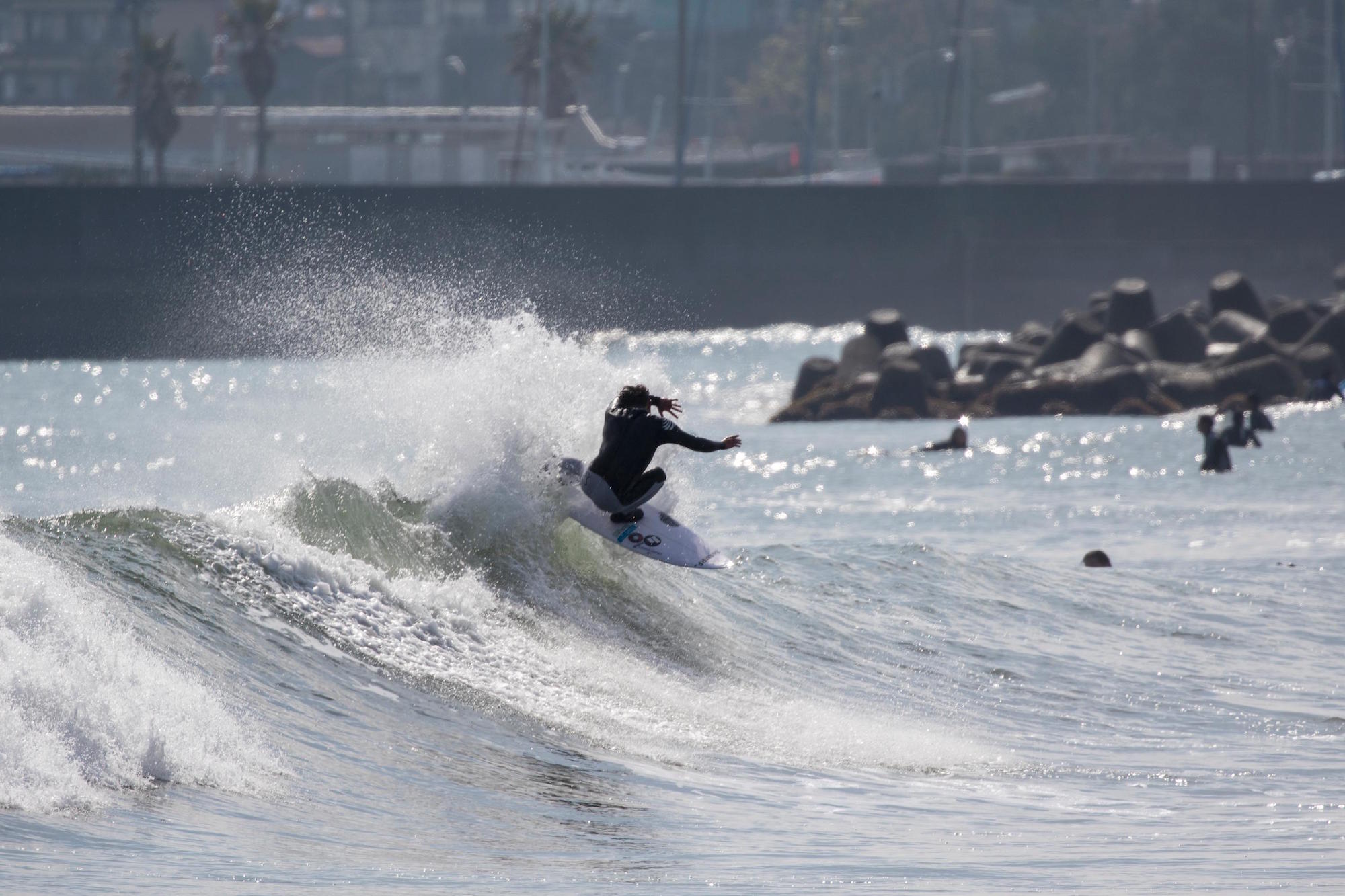
Bring your semi-gun and take advantage of a nice Fall swell; Japan’s best surf season.
Know Before You Go: Malibu Surf Report and Forecast
Travel Info:
Malibu is one of Japan’s classic reef breaks. Locals, including pro surfers from Chiba area, fill the lineup, so the local vibe is very strong, and it’s hard to catch a waves if more than 10 surfers are out, and at times you’ll see 100 surfers out … or more. Autumn typhoon season is the best. In 2004, a WCT final pitted Kelly Slater against Andy Irons and was held in epic 4- to 6-foot barrels.
Surf Info:
Best Tide: The incoming tide
Best Swell Direction: E to S
Best Size: Shoulder high to a couple feet overhead
Best Wind: NE to NW
Perfect-O-Meter: 9 (1=Lake Erie; 10=Jeffreys Bay)
Bottom: Reef
Ability Level: Advanced
Bring Your: Semi-gun
Best Season: Typhoon season (July to November)
Access: Hard to find a parking space. Ask the locals where to park.
Crowd Factor: Always crowded with advanced locals
Local Vibe: Very strong … think Pipeline
Bicep Burn: 8 – hard to paddle out because a lot of water is moving out there (1=1ft Waikiki; 10=15ft Ocean Beach)
Poo Patrol: 3 (1=clean; 10=turds in the lineup)
Shark Danger: 2 (1=none; 10=bring an iron cage)
Taito Beach
WATCH LIVE: Taito Beach Surf Cam
Surf Info:
Best Tide: All.
Best Swell Direction: SE, E, NE
Best Size: Waist high to well overhead
Best Wind: SW, W, NW. Offers some protection from South winds as well.
Perfect-O-Meter: 6. Depends on the sandbars. (1=Lake Erie; 10=Jeffreys Bay)
Bottom: Sand.
Ability Level: All
Best Season: Summer Typhoon season but gets swell year round.
Crowd Factor: Gets super crowded on the weekends