About Japan Surf Travel
The isolated, refined, and oh-so-Japanese world of Tokugawa-era Japan changed one summer day in July 1853, when the squadron of ships commanded by United States Navy Commodore Matthew Perry steamed into Tokyo Bay and dropped anchor – without permission. They carried a message from the American President demanding the right to trade, and for the establishment of diplomatic relations with Japan. The Japanese people who saw the “Black Ships” were impressed with their size and cannon; and the Shogun, one of a dynasty of military rulers whom had kept Japan isolated from foreign influence for nearly 250 years, quickly realized there was no choice: modernize a weak and backward country, or risk war and foreign domination of Japan, which was unthinkable.
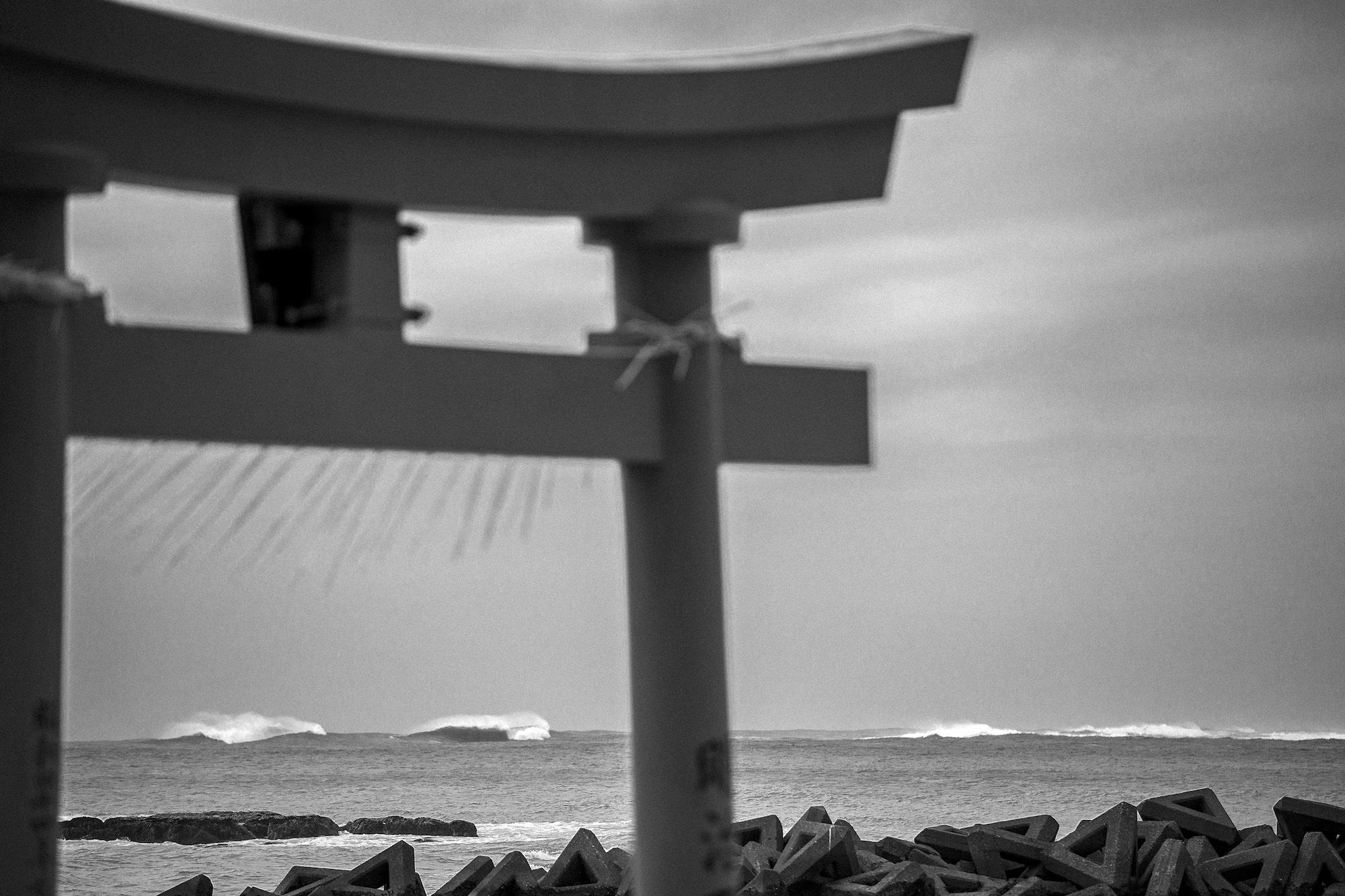
The Gateway. Photo: Pedro Gomes
It was a moment that changed Japan forever; and it began the process still going on today, where the Japanese as a people and Japan Incorporated take ideas and concepts from the outside world, and through a series of peculiar cultural filters, make them uniquely Japanese. Beer, bread, electronic goods, cars, clothes, shoes, toys, watches, cameras … the list is endless. Aside from the drive to modernize taking a disastrous turn in the rabid nationalism and military aggression that produced the Pacific theater in World War II and nearly destroyed the country, Japan has been hugely successful in its transformation. Poor, overpopulated, isolated, and technologically ignorant at the beginning of the 1860s, by the year 2000, this nation was among the richest, internationally integrated, and technologically advanced societies on Earth.
Surf Crowds:
Yes and no. Shonan on a sunny summer weekend can be a sea of thousands of surfers of all ability levels, all of them in the water at the same time, and, as it sometimes appears, all trying to catch and ride the same wave! This kind of scene is where Japan gets a reputation for crowded waves, but the opposite can be true as well.
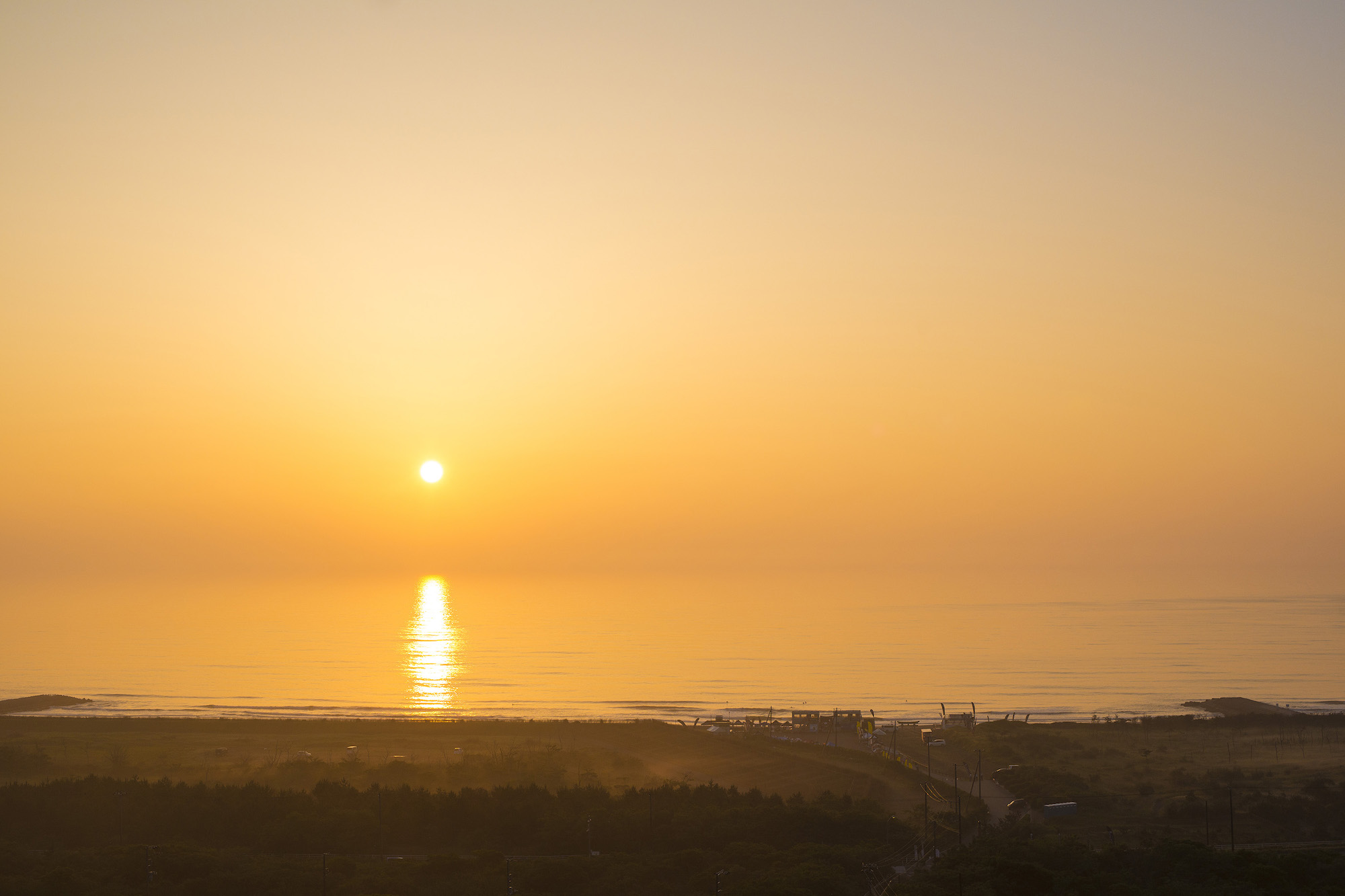
Photo: Pedro Gomes
Surf Hazards:
In the water, there are few things to worry about other than industrial and sewage pollution in major urban areas like Tokyo and Osaka. Japanese beaches can be absolutely filthy with discarded home appliances, fishing detritus, and plastic rubbish. Sharks are almost never seen in Japanese waters other than Okinawa, although rivermouth breaks world-wide are know to attract sharks, and Japanese rivermouths are no exception.
Best Surf Seasons:
1) Fall
The best season for waves and conditions in Japan. The summer rains have laid down gravel and rock sandbars at the rivermouths, and typhoons are spinning in the western Pacific. Temperatures have cooled, and morning off-shores are the norm. The hordes of “summer surfers” are gone precisely on September 1, and the waves are far less crowded. Typhoons can send long-period groundswell to all areas, and the surfing can be very good indeed.
2) Winter
Typhoon activity tapers off in November, and winter chill arrives with cold fronts sweeping down from Siberia, across the Sea of Japan. Surf conditions are variable, with short-period wind swell, and the odd late-season typhoon. Most Japanese surfers avoid winter, preferring to take a trip to Australia’s Gold Coast or Hawaii’s North Shore.
3) Summer
Early summer in Japan is rainy season, with weak fronts settling over Honshu and other areas for weeks of grayness and steady rain. Conditions are similar to the east coast of the U.S. – hot, humid, buggy, and with a lot of anticipation for the first typhoons to form.
4) Spring
Probably the worst season for surfing in Japan, with freezing cold water in most locations, and minimal swell. Rainy season starts in late spring, and weeks of soggy conditions follow. Short-period wind swells are the norm, and with the exception of offshore islands like Niijima in Tokyo Prefecture, conditions are mostly crap.
Directions to Best Surf in Japan:
Most international arrivals to Japan are at Narita Airport (NRT) or Kansai Osaka (KIX). An exception is China Airlines, the only airline permitted to fly international passengers to the convenient Haneda Airport, otherwise reserved for domestic flights.
READ MORE: Spot Check: Shidashita Beach